


Shakespeare and the Stage
Shakespeare gets a section of his own: the plays, the famous lines in context, and what the records say about his life and family.


Blog

Subtext: How to Write Dialogue in a Novel With Tension
To write dialogue in a novel, give each speaker an immediate aim and let the…

Changed by Loss: The Outsiders Summary of Ponyboy’s Arc
Ponyboy Curtis is a young greaser whose conflict with the wealthier Socs leads to a…
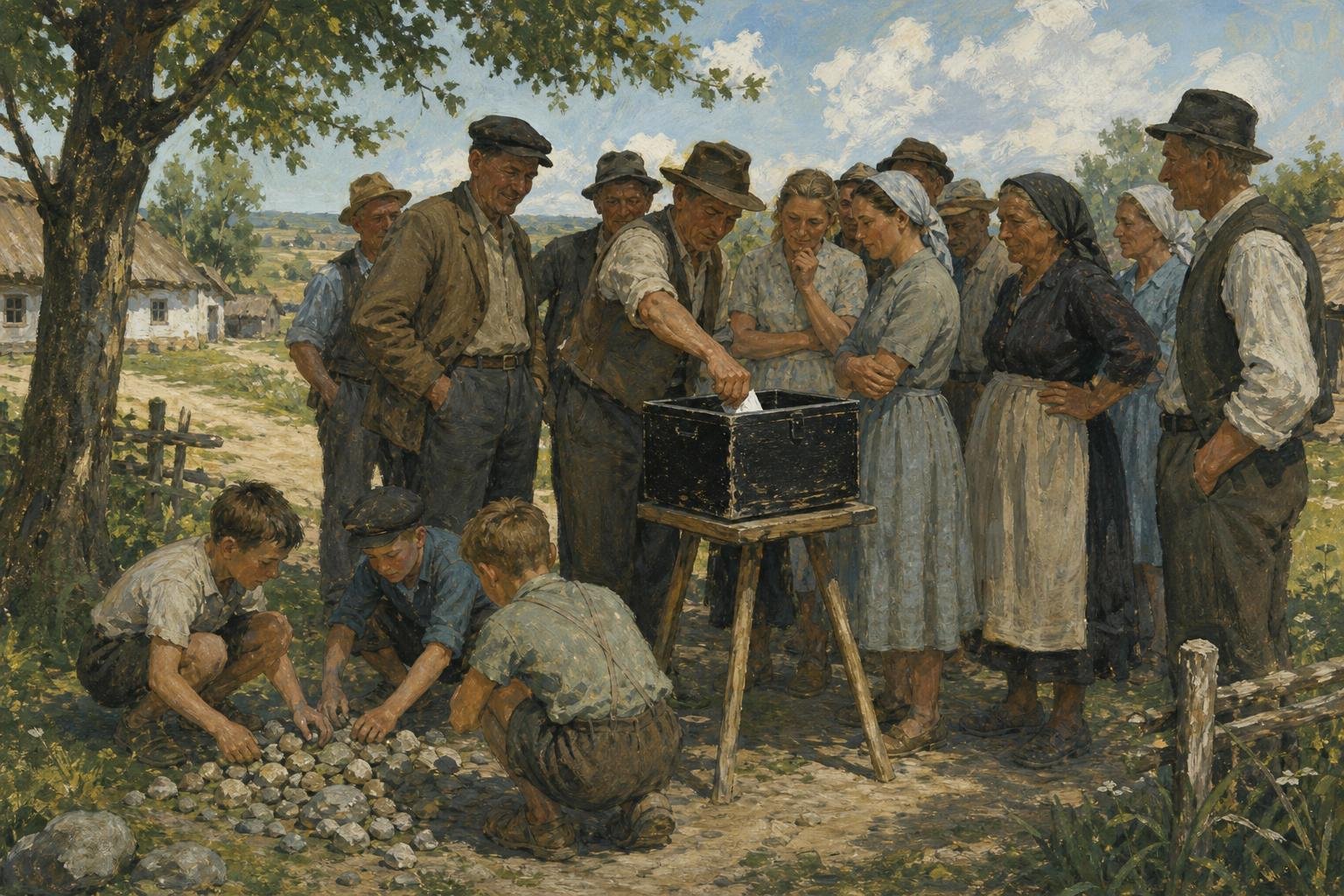
Ordinary Cruelty: “The Lottery” Summary and Symbols
On June 27, the residents of a small village gather for an annual lottery while…

Epistolary Novel: When the Documents Tell the Story
An epistolary novel tells its story wholly or partly through letters or other documents presented…

No Longer Human Summary: The Mask Behind the Collapse
Ōba Yōzō clowns in front of his household to hide his terror of other people…
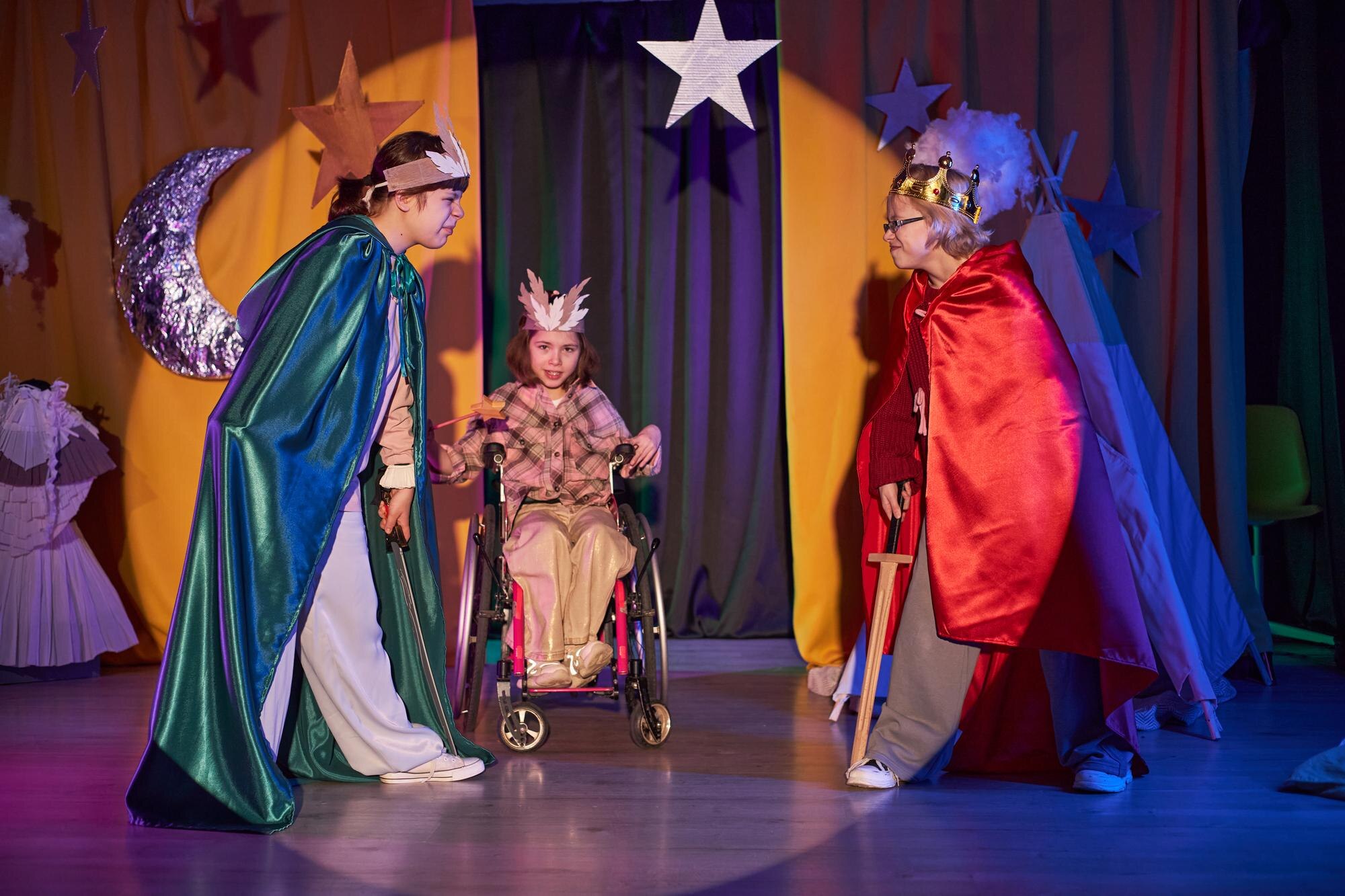
Types of Conflict in Literature: 7 Forces Against a Goal
The seven common types of conflict in literature are person versus person, self, society, nature…
Why Read the Classics Closely

Read the Text, Then the Guide
A summary is a map, not the journey. Our guides are written to send you back to the book with better questions: why a character makes a choice, what a repeated image is doing, how the ending answers the opening. Quotes are given with their context so you can find them on the page.
Many readers come here while studying a set text, and the guides are built for that: clear plot outlines, character lists and the themes most often discussed in class. Others simply want to know whether a classic is worth their time before they start it. Either way, the aim is the same: to make great books easier to begin and harder to forget.
Start Here
New to the site? Try What Is Literature?, Classic Literature: 5 Novels That Still Draw You In or browse every guide on the blog.